About Us
About IBP School
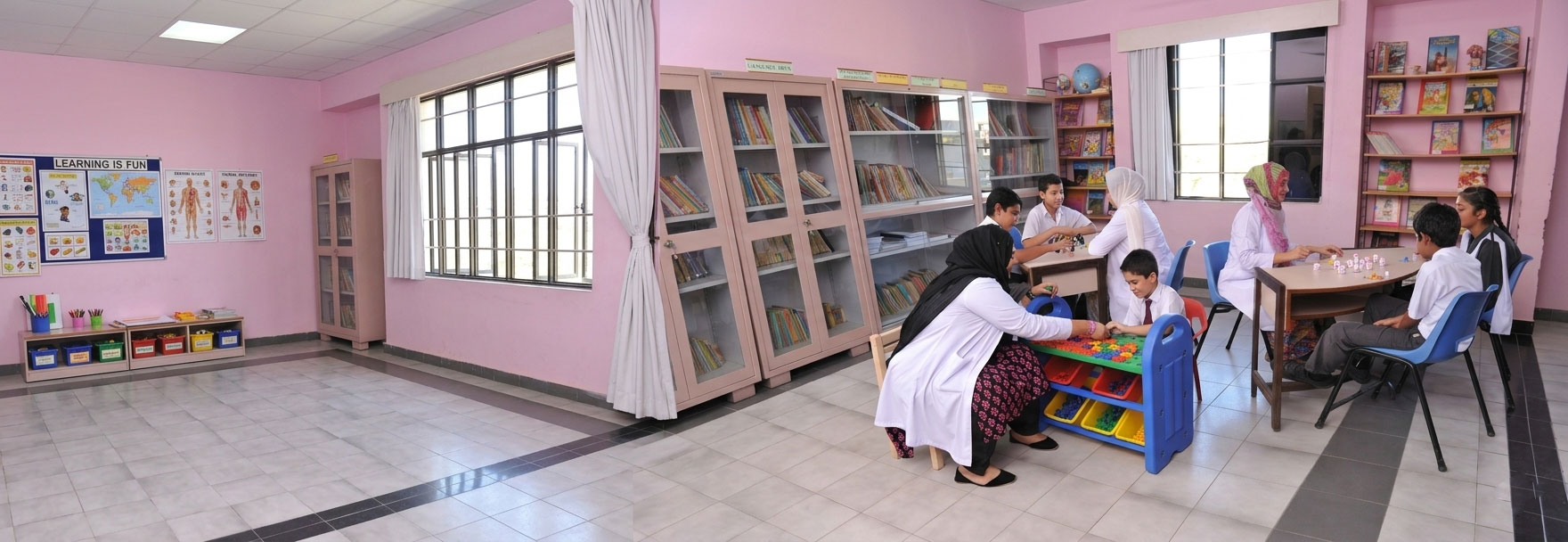
IBP was envisioned, conceived and formulated to provide education, training, help and support to children and youth, and the adults who support and work with them.
Our purpose is to impact all areas that play a role in children’s development; academic, vocational, psychological, physical and social, with special emphasis on children with special needs, slow learners, as well as children with learning and behavior problems.
We strive to develop relevant skills in teachers, parents, care givers and other adults working with children through providing knowledge and training.
Our mission is to create a happy, safe, and caring school that is second to none in the services and facilities it offers. We strive to meet the needs of children who are differently abled and slow learners by providing world-class, state-of-the-art resources and imported high-quality teaching aids.

100%
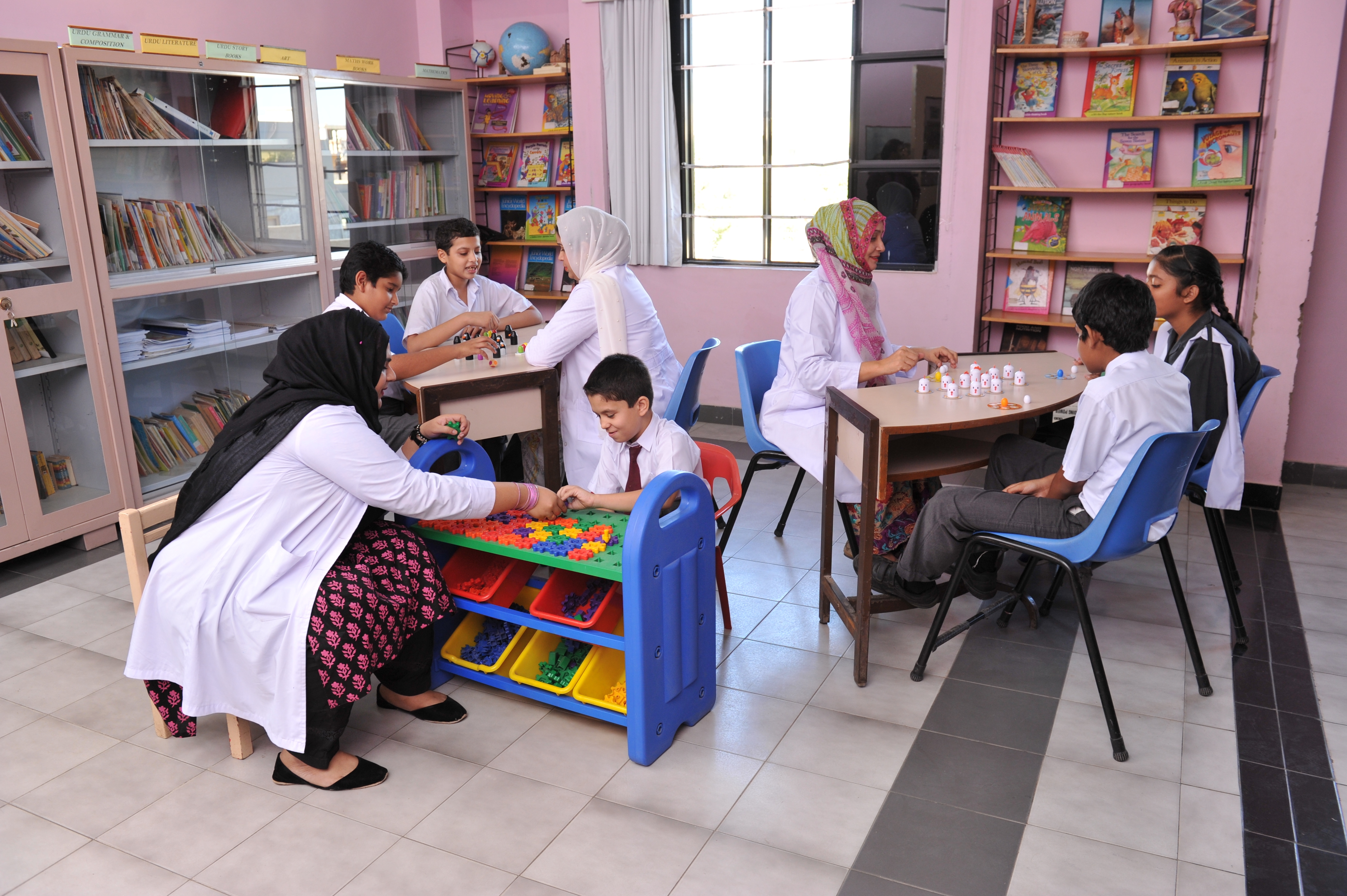
Tailored Attention
IBP’s Methodology
“Our methodology reflects passion and drive”
Intake & History
At the time of admission, detailed case histories are taken from the parents, not only by the school, but also by the various therapists who will be working with the child daily.
Cognitive Assessment
After the case history intake, relevant IQ and achievement tests are carried out to assess cognitive strengths, academic levels as well as developmental age across functioning domains.
Therapeutic Diagnostics
If the child requires any dedicated therapies, our specialized therapists execute focused, targeted assessments and diagnostics for that particular clinical framework.
IEP Formulation
Based on rigorous tests, a detailed Individualized Education Plan (IEP) is mapped out for each child, covering every subject and therapy. Monthly, biannual, and annual goals are formulated and collaboratively shared with parents.
Committed to Excellence & Continuous Growth
Here at IBP, there is a high level of commitment to improvement and change. Complacency to the status quo is neither encouraged nor allowed.
Systemic Upgrades
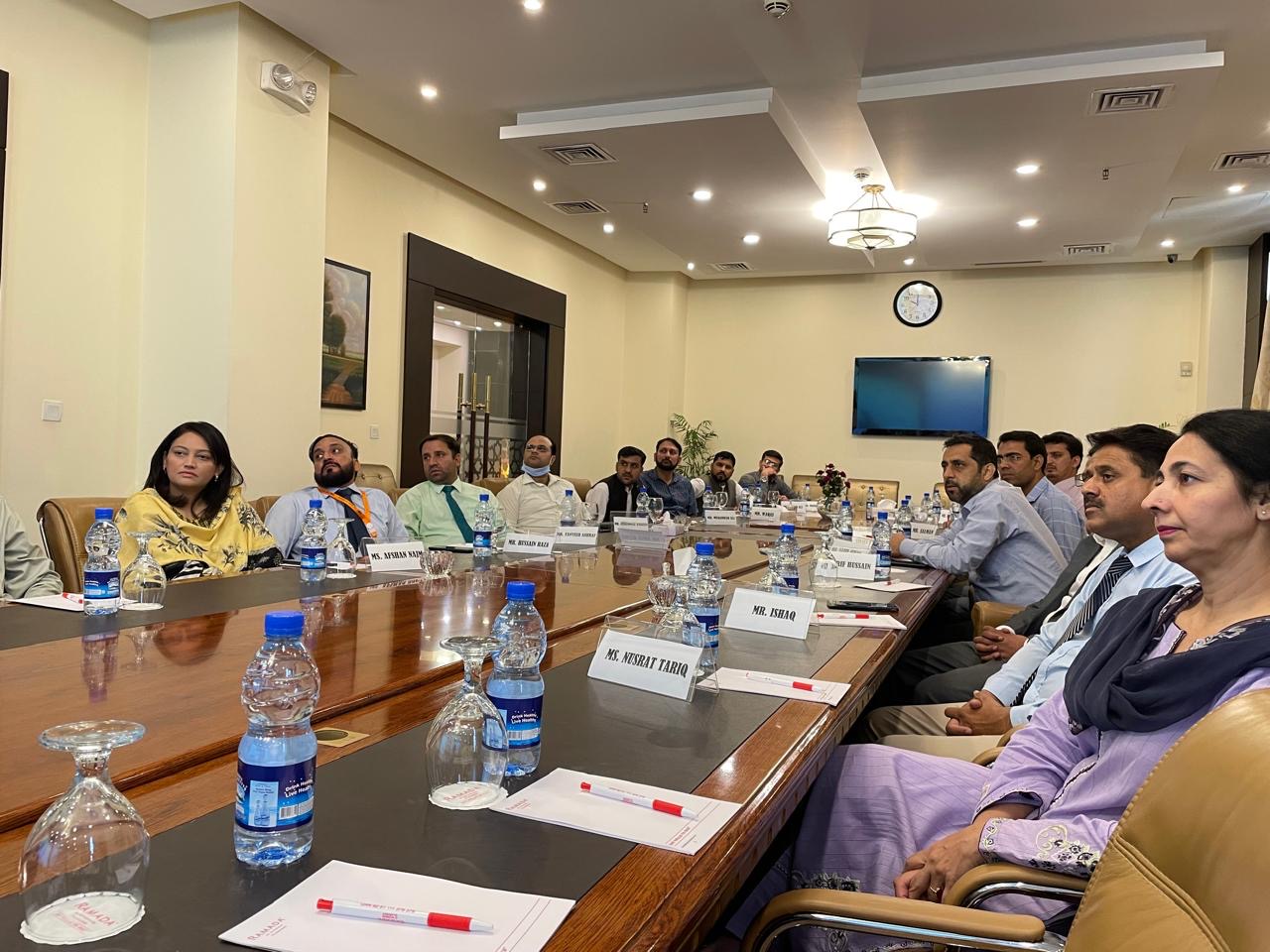
There is a strict, periodic review of all operational policies, procedures, and internal educational systems. Structural modifications are constantly made to upgrade delivery excellence.

Curriculum Evolution
We hold dynamic annual updates of our academic courses. New paradigms, methodologies, and interactive concepts are systematically integrated as our students mature.
Therapeutic Modernization
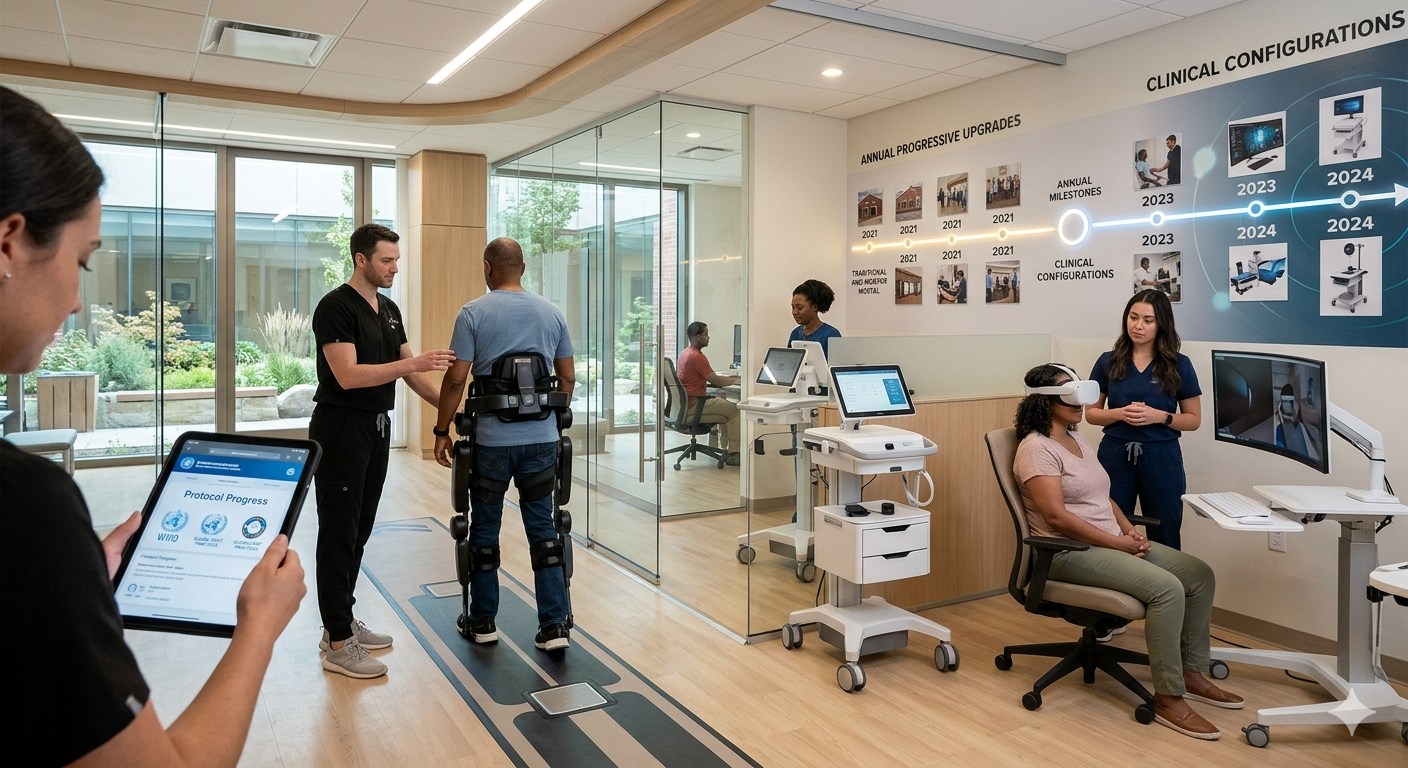
Our therapy infrastructure experiences progressive annual upgrades across clinical space configurations, medical equipment curation, and integration of global best-practice protocols.
Our Foundational Policies
Guiding principles built around global human rights, mutual respect, and holistic development environments.
UNICEF Rights Alignment
IBP strictly aligns with and executes the UNICEF policy framework on comprehensively championing and promoting the full civil, cultural, and socio-educational rights of children with disabilities.
Unconditional Inclusivity
We universally recognize students with special developmental needs as complete, uncompromised members of society. Absolute respect for their rights is consistently secured, completely irrespective of chronological age, gender, ethnicity, language background, or level of impairment.
Systemic Barrier Eradication
We work tirelessly toward eliminating socio-cultural and architectural barriers that inhibit child development, systematically architecting protective, fully responsive, and supportive interactive spaces.
Cultivating Cultural Paradigm Shifts
We target intentional transformation regarding the everyday practices and outlooks of individuals and broader institutions, guaranteeing that our student cohort contributes meaningfully to local community culture.
Power of Positive Linguistics
Acknowledging that vocabulary alters human perception, IBP strictly requires the implementation of child-sensitive, positively framed language across every single point of communication within our campus environment.
Early-Stage Clinical Intervention
We optimize aggressive early-stage identification and assessment combined with tailored clinical interventions. Catching developmental anomalies early allows us to minimize cognitive restrictions and significantly maximize age-appropriate activity participation.